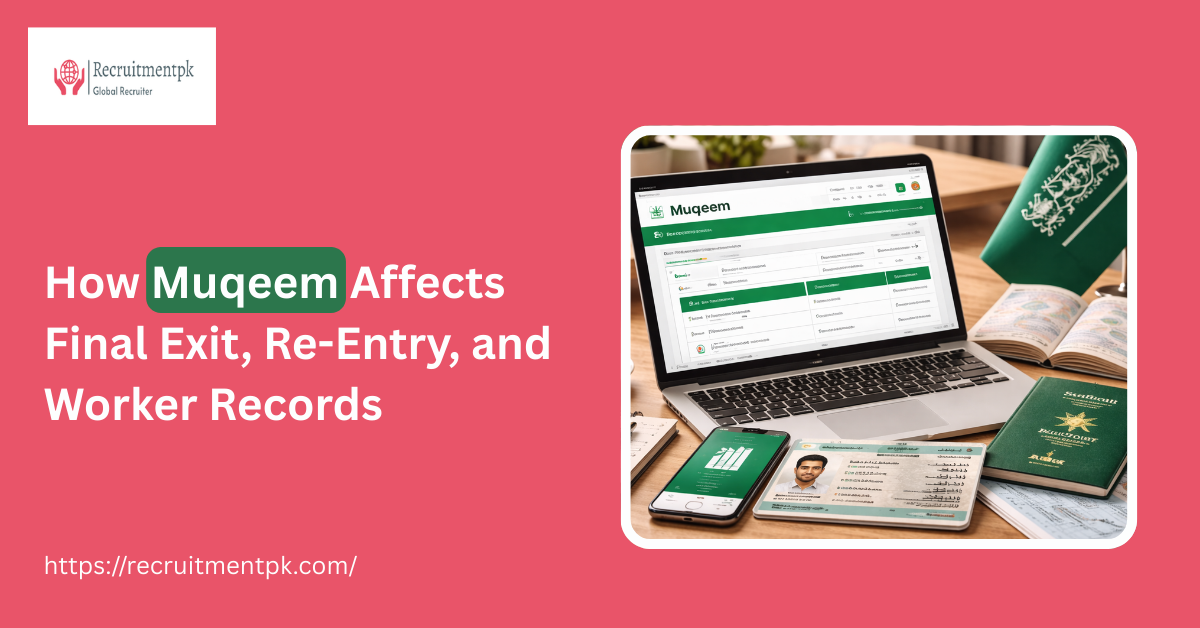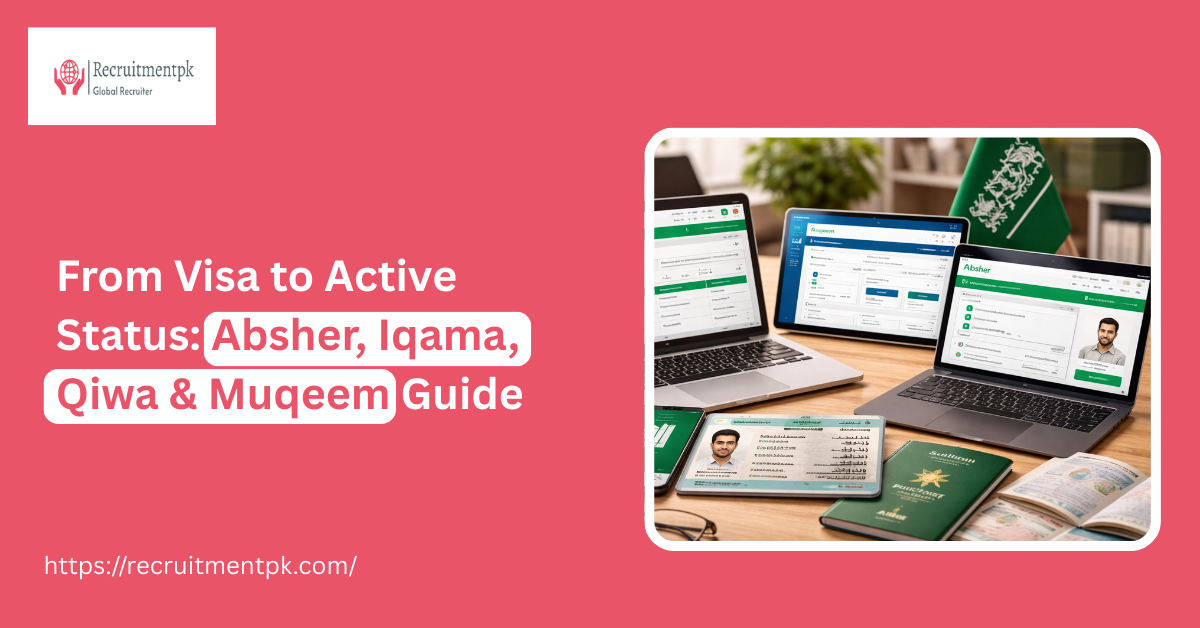
Managing expatriate workers in Saudi Arabia involves more than just issuing visas and signing employment contracts. One of the most important systems employers must understand is Muqeem, yet it is often overlooked or misunderstood. When Muqeem records are not updated correctly, workers may face problems such as travel delays, blocked re-entry, or difficulties with final exit...
Managing employment status in Saudi Arabia can be challenging for overseas workers, HR teams, and recruitment agencies. From visa issuance to active work status, every step requires careful handling across multiple government platforms. Many delays or issues faced by employees and employers are not due to performance but incorrect system management. Key platforms such as Absher, Iqama,...
Hiring has changed in Pakistan. Today, candidates do not only look at salaries they look at reputation, culture, growth, and trust. This shift has made employer branding one of the most important tools for attracting better candidates. Whether you are a multinational company, a fast-growing local business, or a startup in Islamabad, how people perceive your organization now directly...
In construction and industrial projects, time is everything. Delays can increase costs, damage reputations, and even lead to contract penalties. One of the most overlooked factors behind project delays is slow hiring. Across Pakistan, construction and industrial companies are realizing that fast, well-planned hiring is not just an HR function it is a core business strategy. Whether it...
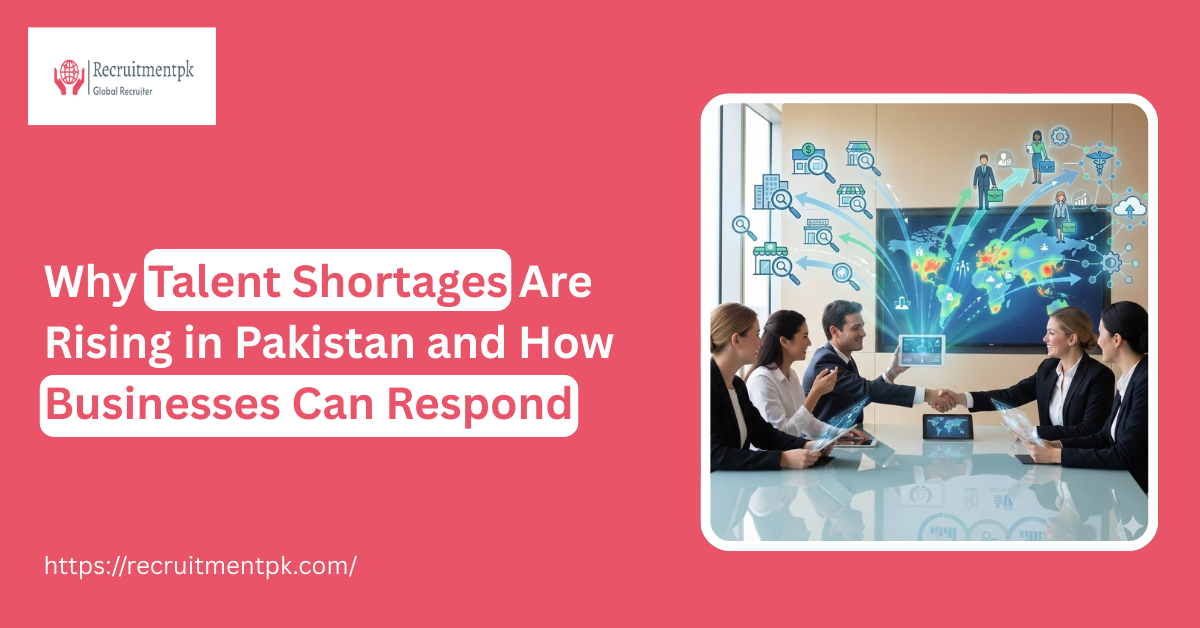
Pakistan is experiencing rising talent shortages as skilled professionals migrate overseas and industry skill demands evolve, prompting businesses to adopt smarter recruitment, workforce planning, and retention strategies. Across Pakistan, businesses are facing a growing challenge: finding the right people at the right time. From IT companies in Islamabad to manufacturing plants, hospitals, and construction projects,...
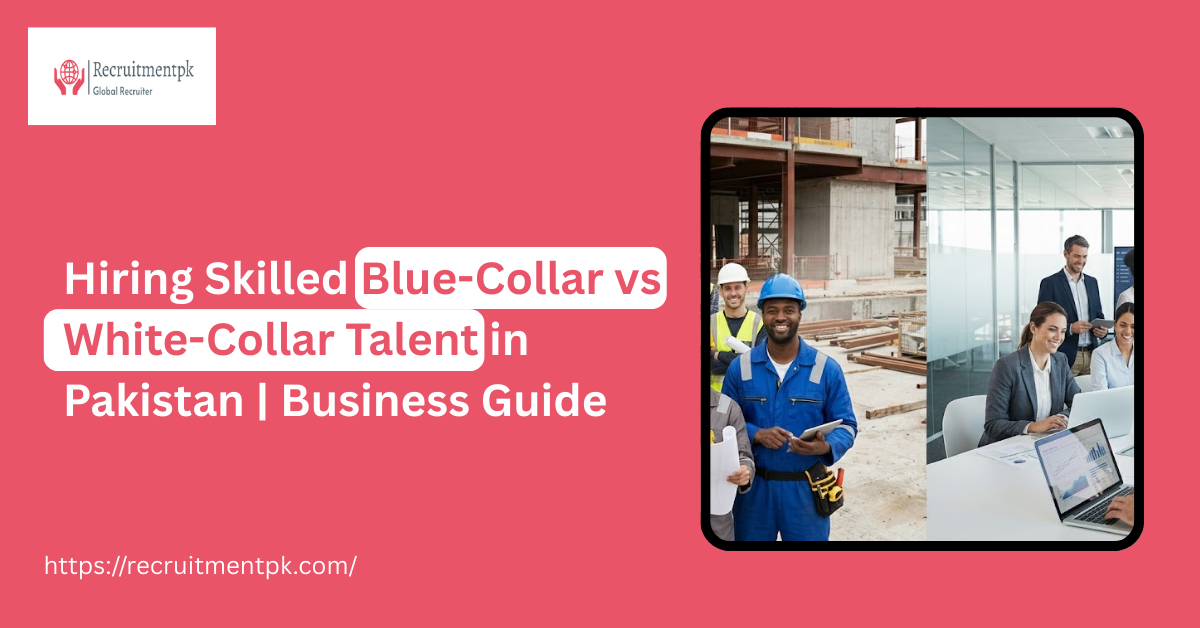
Blue-Collar vs White-Collar Talent in Pakistan reflects the country’s diverse workforce, ranging from skilled tradespeople and technicians to professionals in IT, finance, and management. Hiring the right people is one of the most important decisions any business makes. In Pakistan, employers face a unique challenge balancing the need for skilled blue-collar workers with qualified white-collar...
Recruitment in Pakistan is entering a new era. As businesses prepare for 2026, artificial intelligence (AI) and automation are no longer future concepts they are already reshaping how companies hire talent. AI and automation are transforming recruitment in Pakistan by helping companies hire faster, smarter, and more efficiently. For example, AI-powered recruitment tools can automatically...
Permanent vs Contract Staffing in Pakistan – What’s the Difference? Permanent staffing offers long-term stability and loyalty, while contract staffing provides flexibility and cost control Pakistani businesses choose based on project needs, budget, and workforce demand. As Pakistan’s job market evolves, businesses are rethinking how they hire. In 2026, the choice between permanent and contract...
Hiring the right people is one of the biggest expenses for businesses in Pakistan. From job advertising and HR hours to bad hires and long vacancies, recruitment costs can quietly drain budgets especially for growing companies, multinationals, and organizations hiring at scale. Pakistani businesses can reduce hiring costs while finding the right talent through professional recruitment support. Many...
The hiring landscape in Pakistan is changing faster than ever. As we move toward 2026, employers, investors, and HR leaders can no longer rely on traditional recruitment methods alone. Digital transformation, global competition, and shifting workforce expectations are reshaping how companies attract and retain talent. From CEOs and C-level executives to IT specialists, engineers, healthcare...